ASSEMBLE Curators’ Lab: Three days of exchange in Larnaca
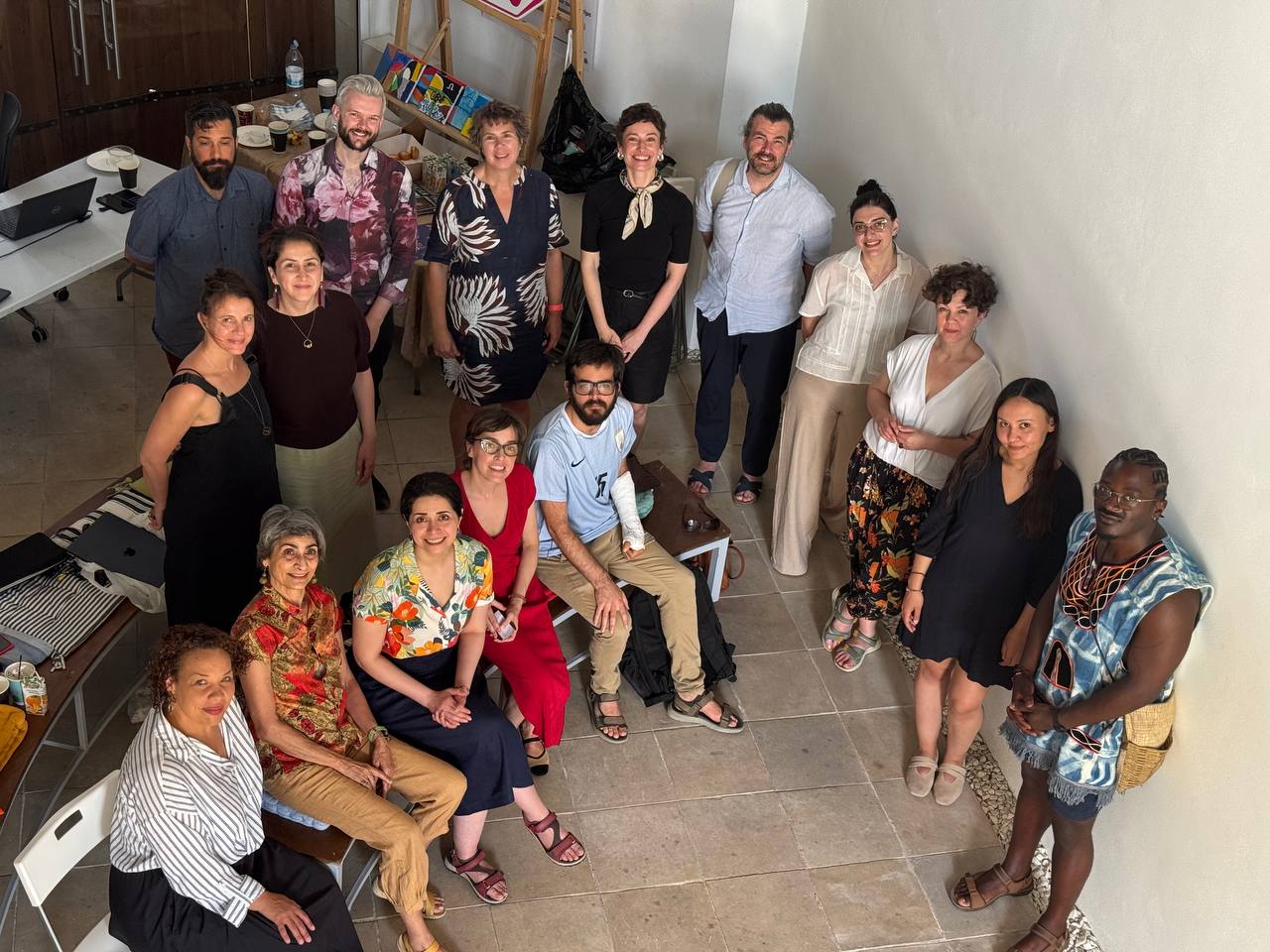
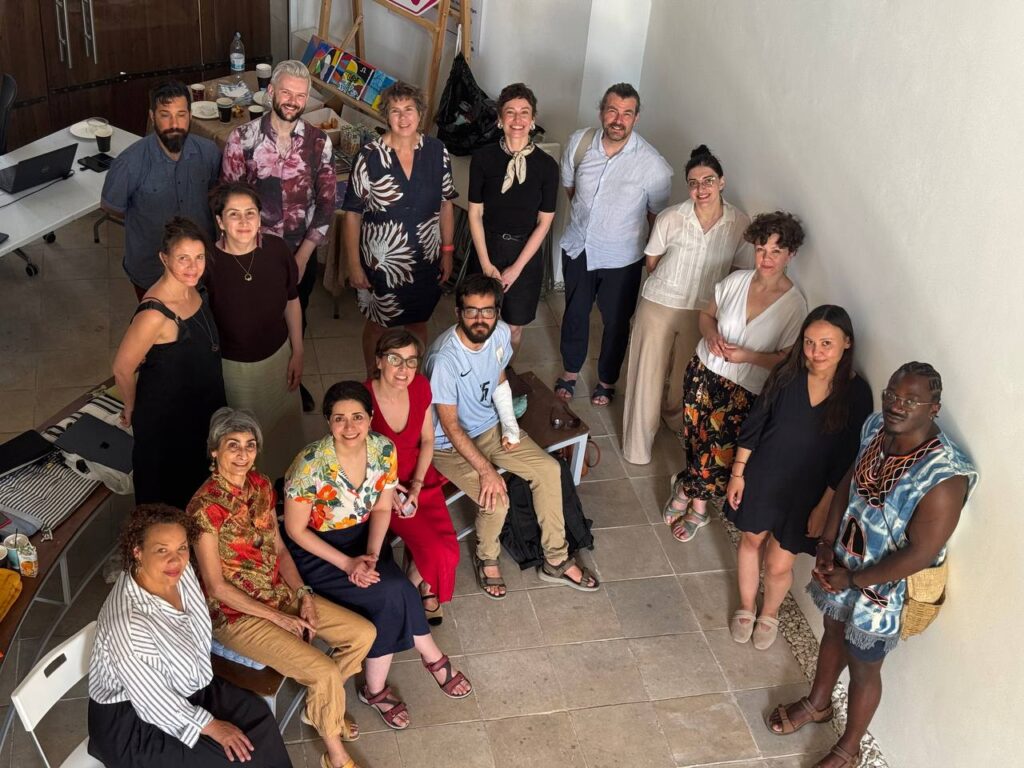
From 11-13 June 2026, Larnaca became the meeting point for a truly international community of curators, artists and cultural organisations, as ASSEMBLE held its first in-person Curators’ Lab. It was the first time the programme’s Curatorial Fellows, project partners and invited experts had come together face-to-face. Our partner organisation Larnaka2030, established to lead Larnaka’s bid for the title of the European Capital of Culture (ECoC), was our host for the three days the Laboratory took place. With their help, we managed to visit different cultural spaces in the city of Larnaca and interact with local artists and gain a deeper understanding of the local scene.
A foundation for the fellowship
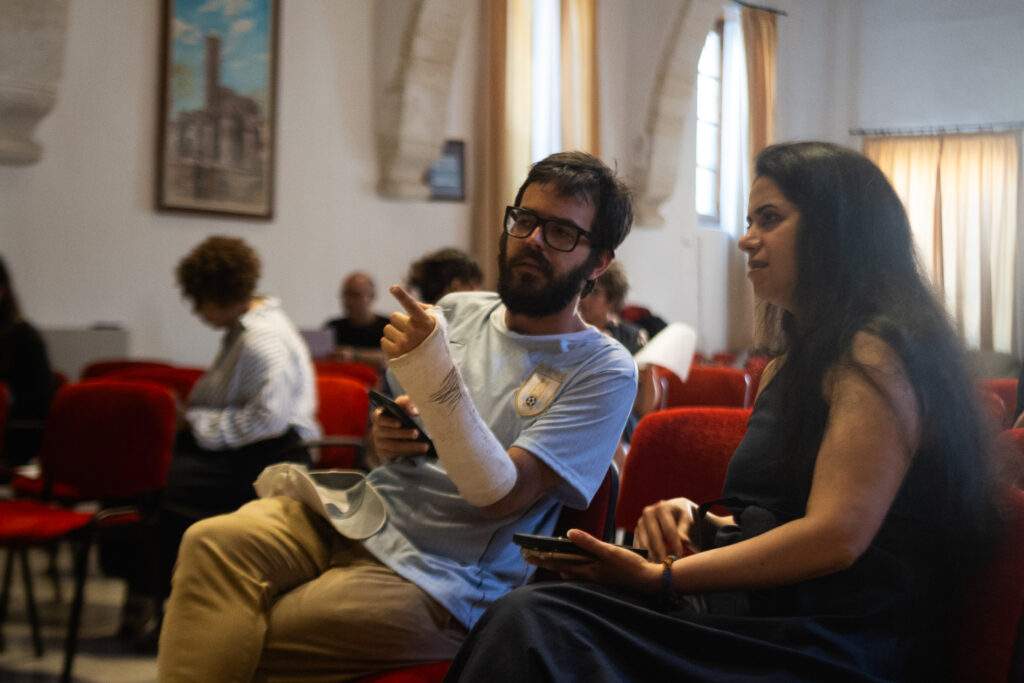
ASSEMBLE’s twelve-month Fellowship is built around curatorial practice in contexts of displacement, climate emergency and social transformation and the Curator’s Lab in Larnaca set the tone for that journey. Rather than a lecture-heavy introduction, the programme was designed around conversation and participation: keynote sessions sat alongside peer-led practice sharing, collaborative mapping exercises, workshops and site visits, encouraging Fellows and partners to think together rather than simply absorb information.
The opening day looked outward first,Yohann Floch from On the Move, mapped the European landscape of support for artists at risk, the policies, institutions and initiatives working to protect artistic freedom and sustain practitioners whose work has been disrupted by conflict or displacement. Conversations returned again and again to a central idea: real resilience comes not from emergency response alone, but from building long-term, interconnected support ecosystems across institutions, funders and civil society.
Fellows in focus
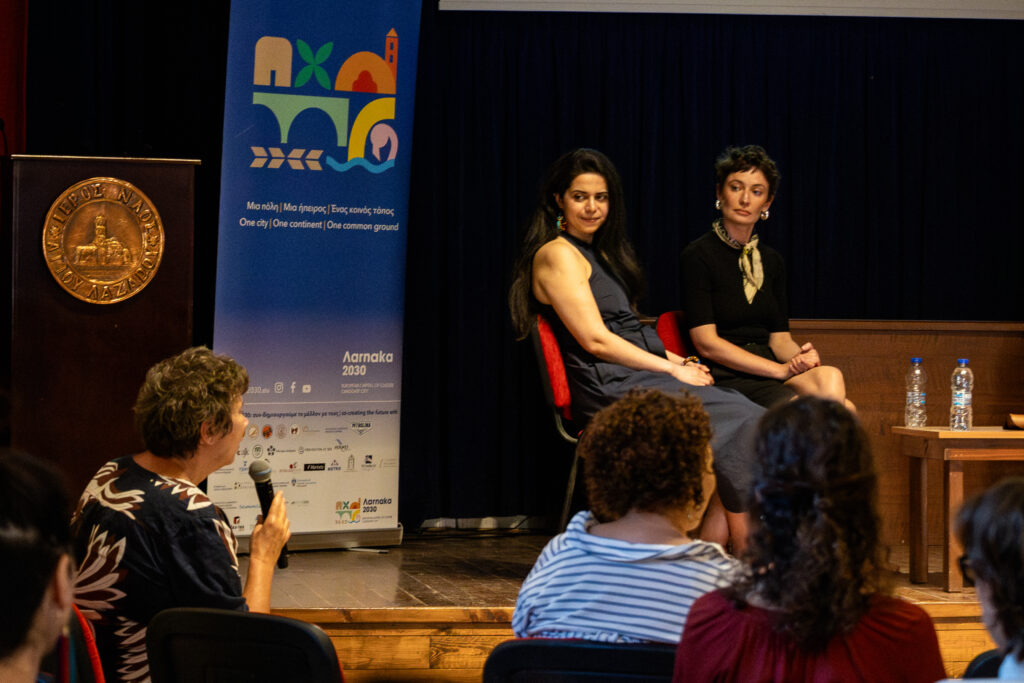
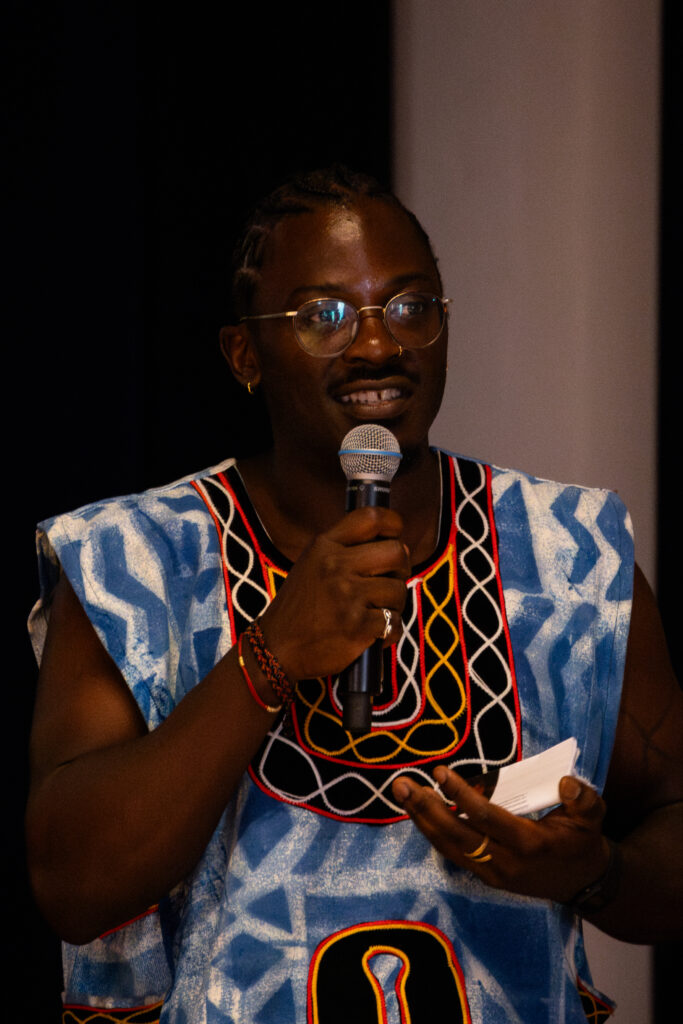
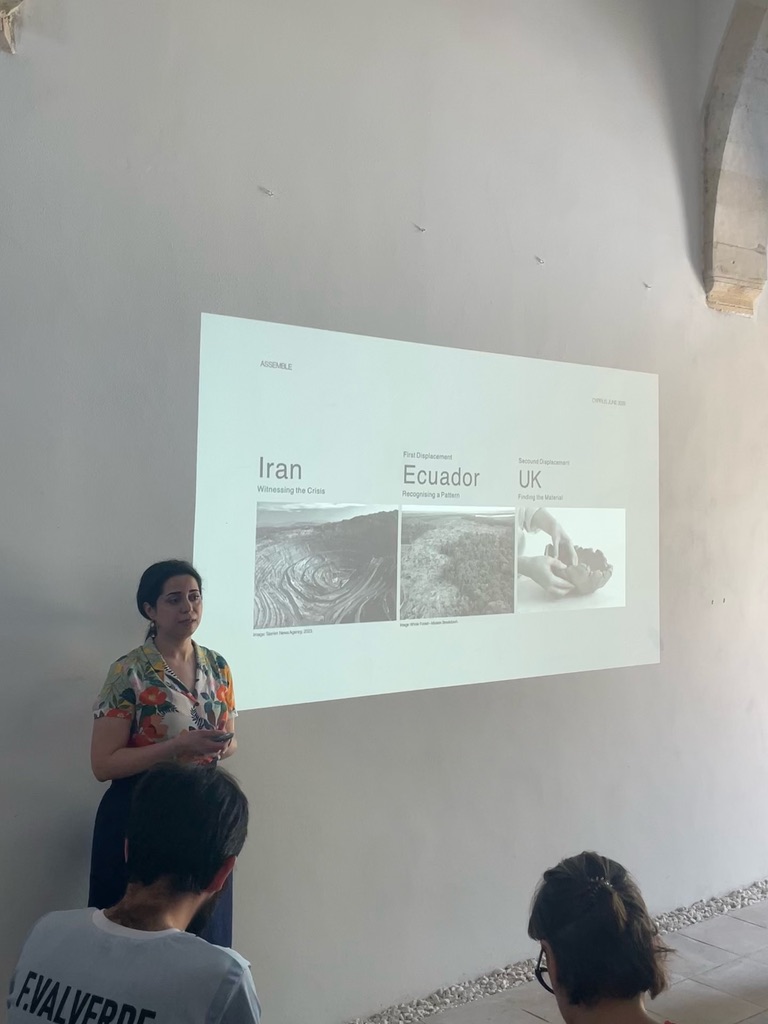
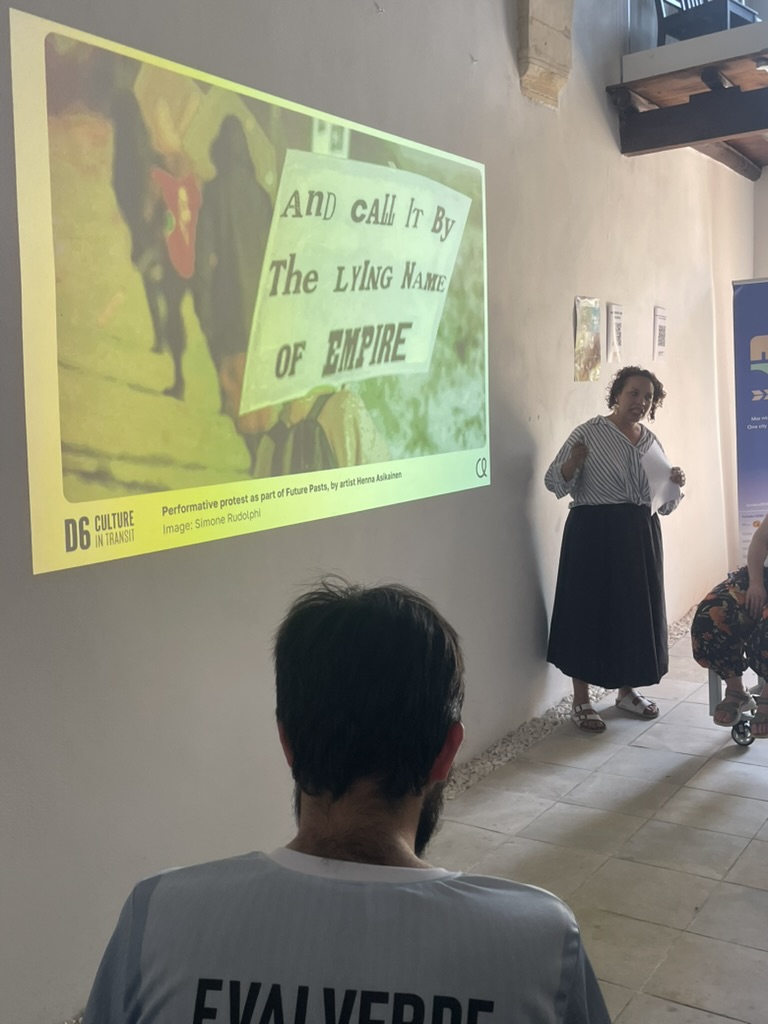
At the heart of the Lab were paired presentations between each Curatorial Fellow and their mentoring partner organisation. Mokia Dinnyuy Manjoh, working with Argyro Toumazou of D6:EU, spoke about identity, decolonisation and cultural sovereignty through the community-led work of SAVVY Kwata in Cameroon. Fabio Quintero, paired with Ixone Sádaba of Moving Artists, presented Archivistas Salvajes, his project recovering Cuba’s overlooked visual heritage through amateur cinema archives. Maria Proshkovska, working alongside Lucy Nychai of the Congress of Cultural Activists, introduced Bodies & Landscapes, a research project tracing how war, displacement and ecological crisis reshape people’s relationships to land and memory. And Roya Ghassemi, mentored by Andrea Carter of D6: Culture in Transit, shared work exploring extractive industries, environmental degradation and community resilience.
Different geographies, different histories; yet the same threads kept surfacing: memory, migration, ecological transformation and a shared commitment to community-centred, collaborative ways of working.
Opening the doors to Larnaca
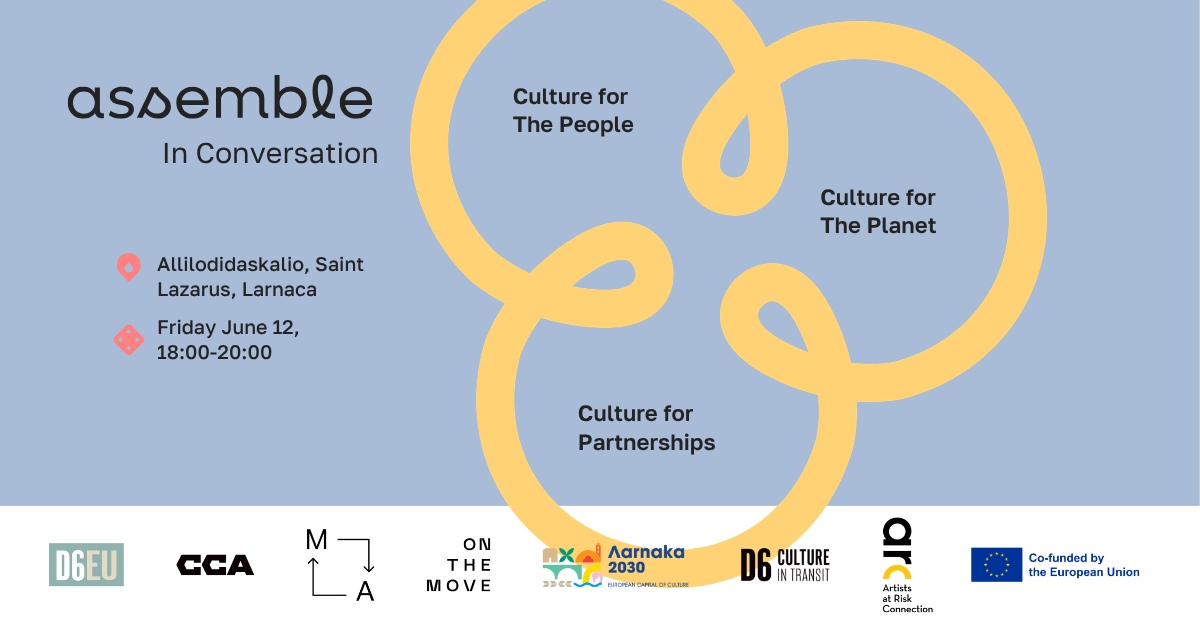
The Lab wasn’t confined to its own participants. A public evening programme invited local artists, cultural professionals and residents to hear the Fellows present their work directly, followed by an informal networking event that let new connections take root outside the structured schedule. Local artists Antonis Tziarides, founder of the Mahallart Street Festival, and Eirene Constantinou, a visual artist and space-runner, led participants through Larnaca itself, connecting the Lab’s global themes to the city’s own layered, multicultural history. Site visits to community initiatives working under the Larnaka2030 framework, including Youth Makerspace, SYNOIKISMOS and Pathkia Pathkia, grounded the international conversation in local practice.
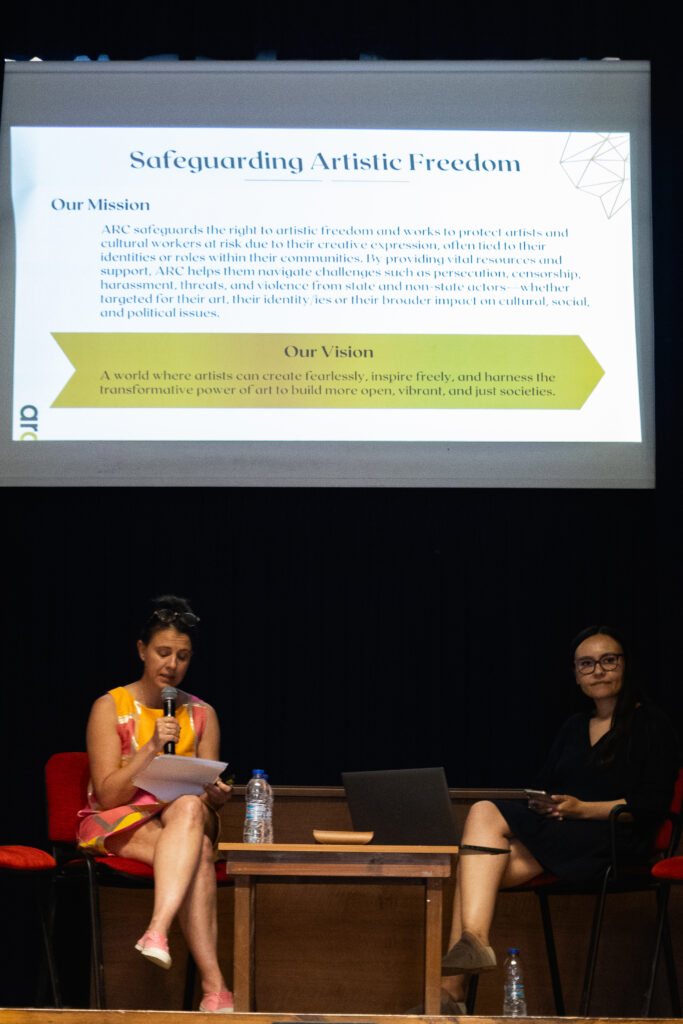
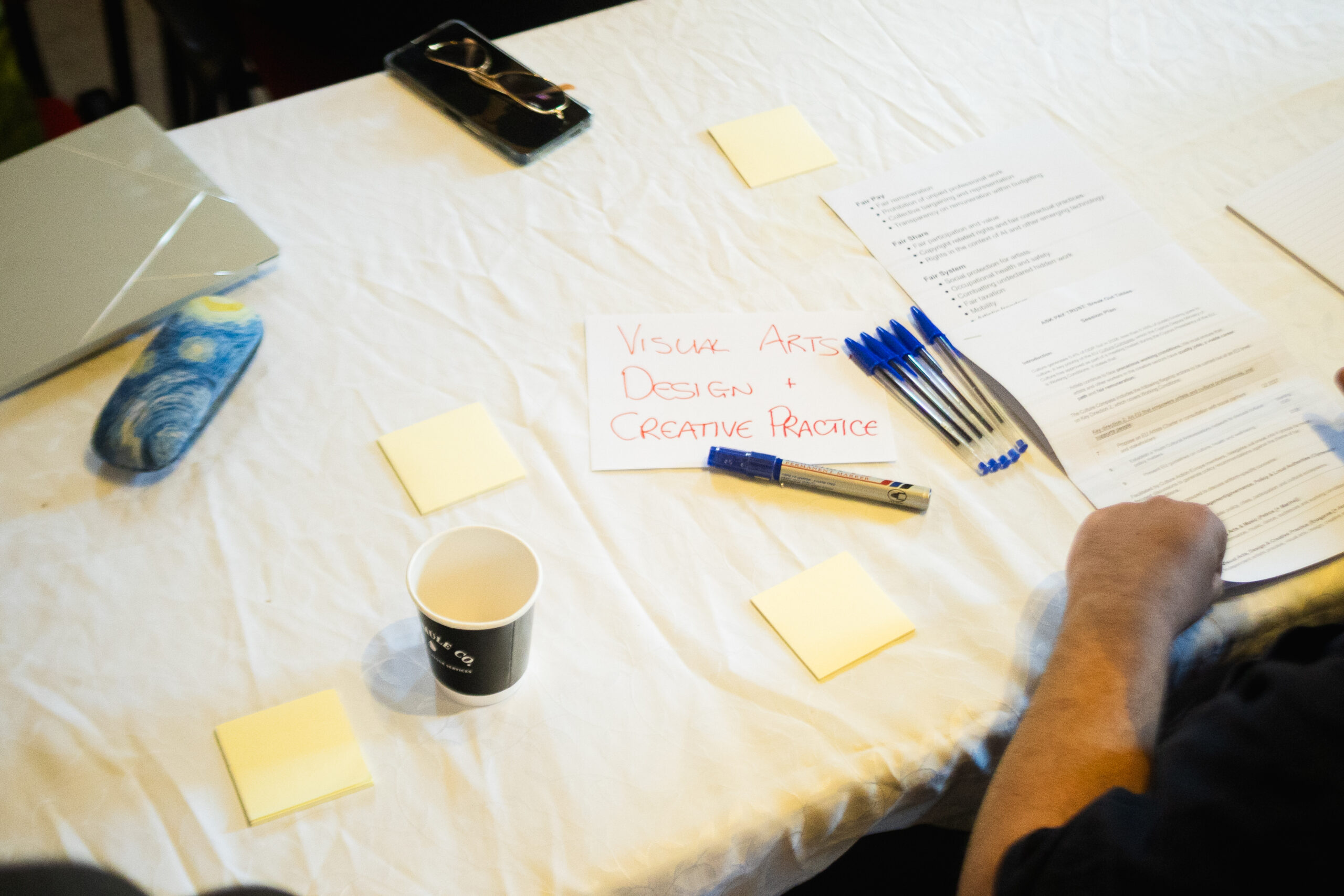
The second day shifted register entirely, moving into a participatory format facilitated by Artists at Risk Connection and guest co-facilitator, Alix Pornnn (Cite des arts internationale). Through mapping exercises and group reflection, Fellows and project partners traced the people, relationships and moments that had shaped their careers, a reminder that sustainable practice depends as much on peer networks, mentorship and trust as it does on funding.
What comes next
The value of the Lab lay as much in its informal moments as its structured sessions. Presenting twice in one day, first to peers, then to the public, proved demanding, but ultimately deepened understanding on both sides. Looking ahead, the team is carrying forward a clear lesson: leave more room for conversation between sessions, and trust that the connections built informally are often where the real work begins.
The Larnaca Lab was only the first of three planned Curators’ Labs under ASSEMBLE, aiming to reach 170 participants across Larnaca, Bilbao and Lviv, across the full programme. If this opening chapter is anything to go by, the road ahead promises rich, honest and necessary conversations about what it means to curate in a world shaped by exile, oppression, extraction and colonialism.