Shaping the Future Together: Reflections on ASK PAY TRUST and the Path to Policy Change
Shaping the Future
Together: Reflections on ASK PAY TRUST and the Path to Policy Change
What does it mean to work in the cultural sector and to be compensated fairly for your labor? That is a question that artists and cultural practitioners try to answer for decades.
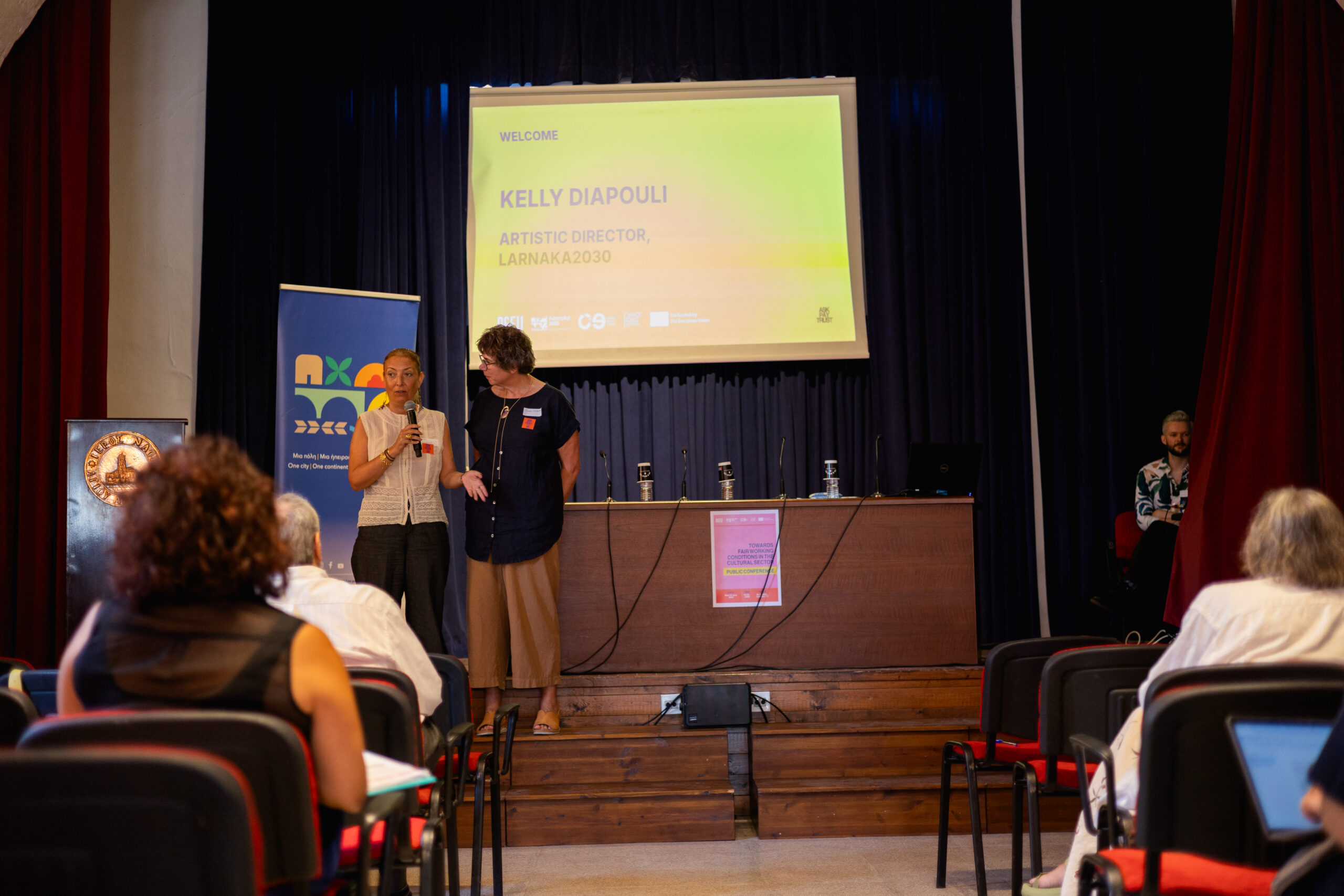
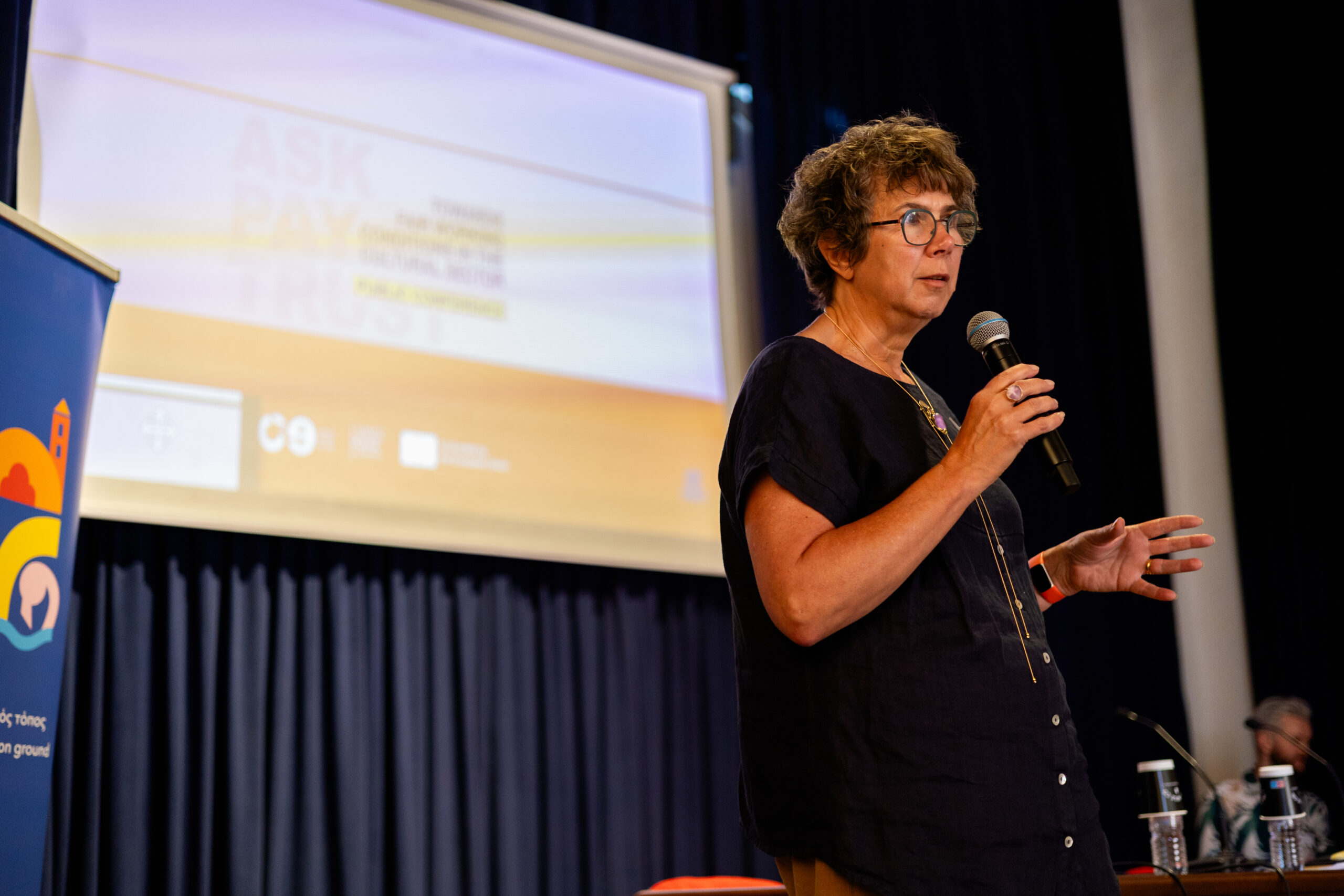
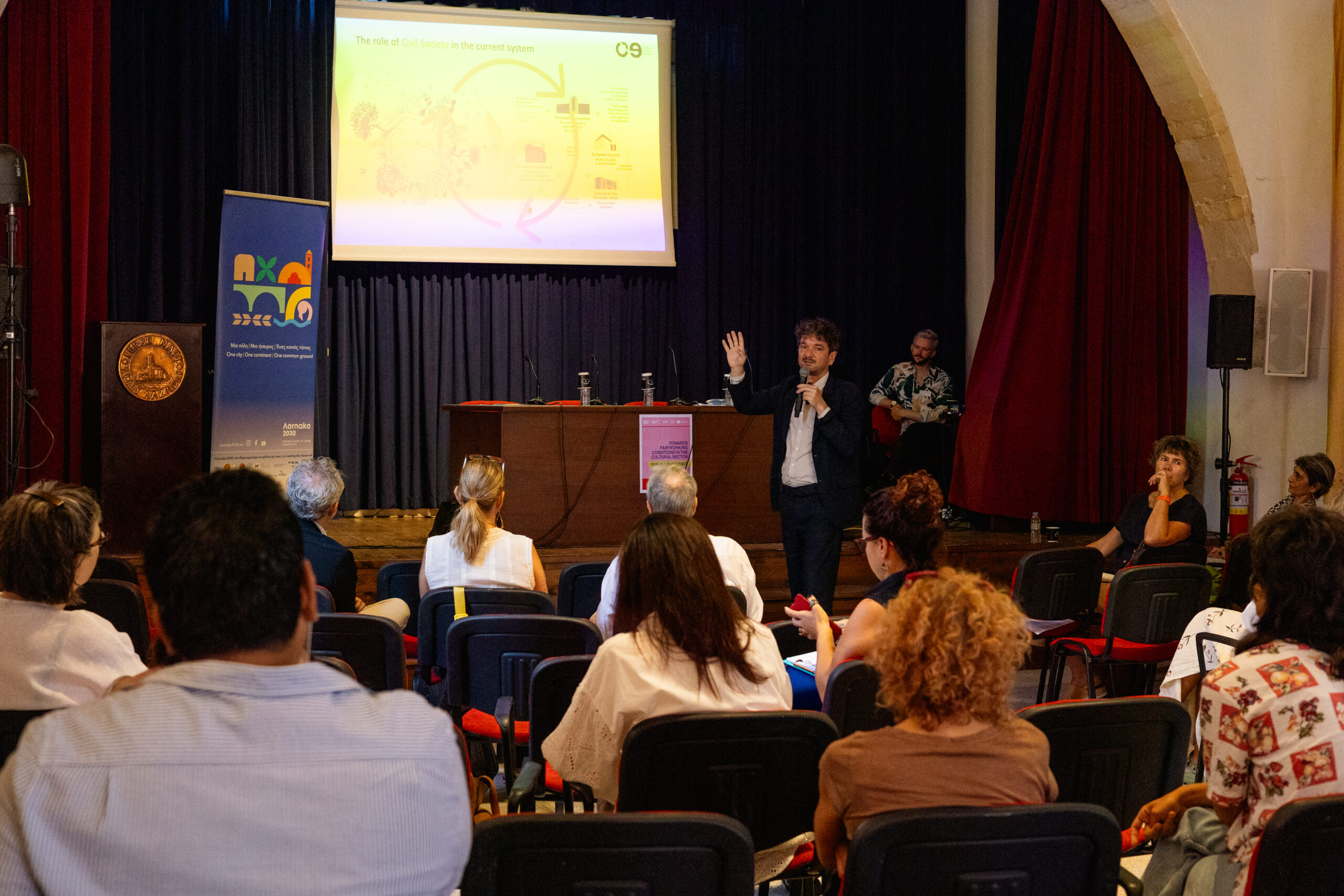
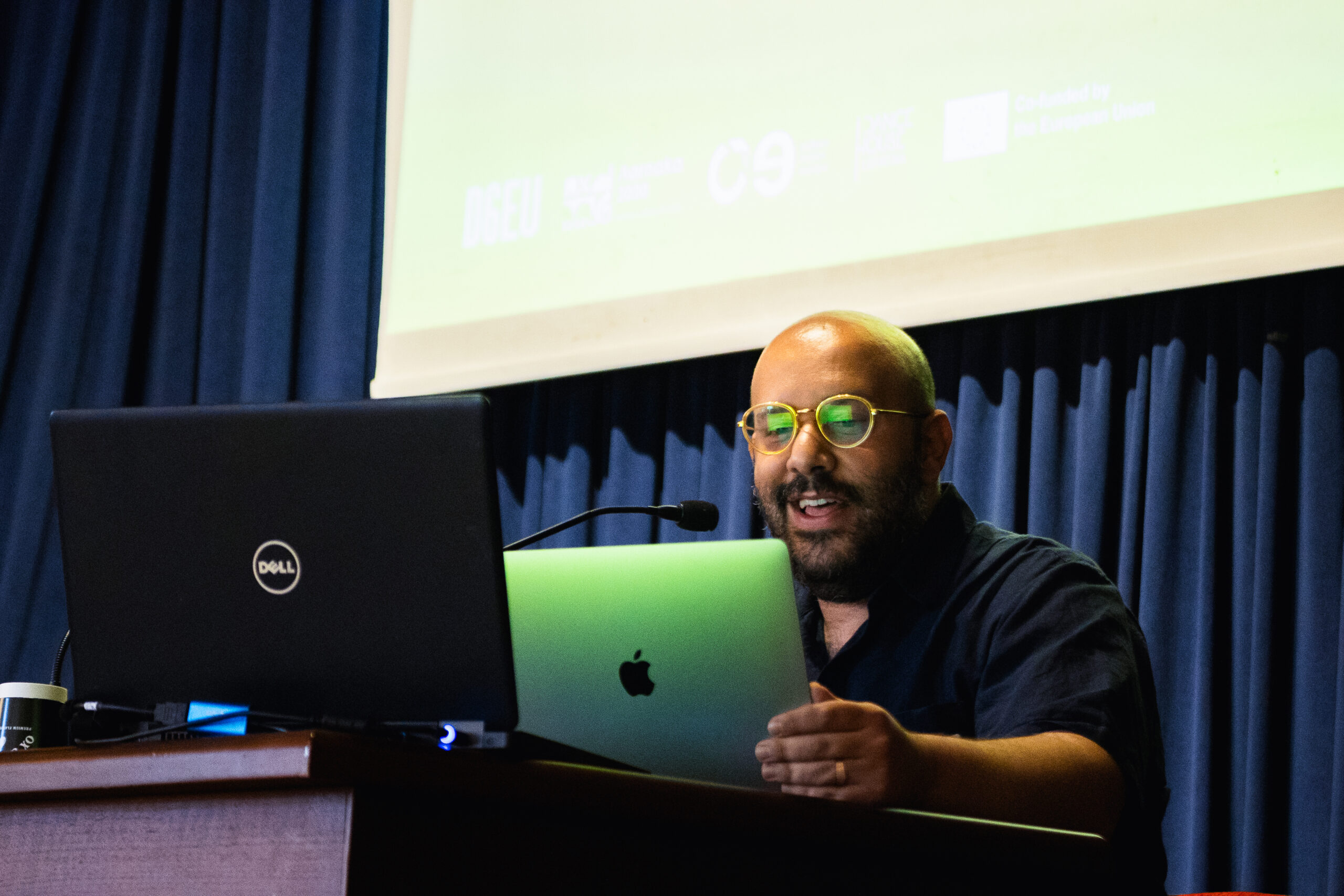
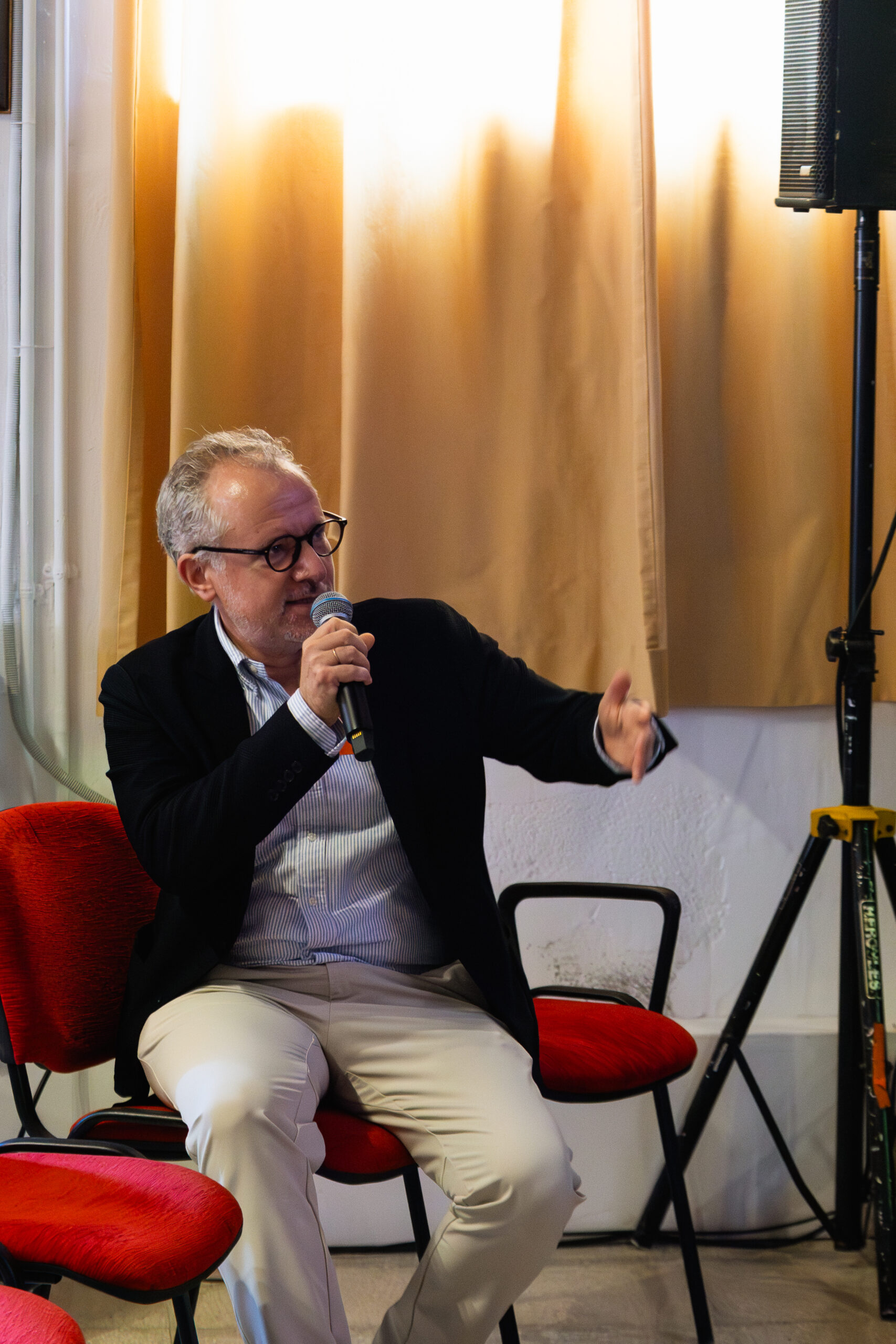
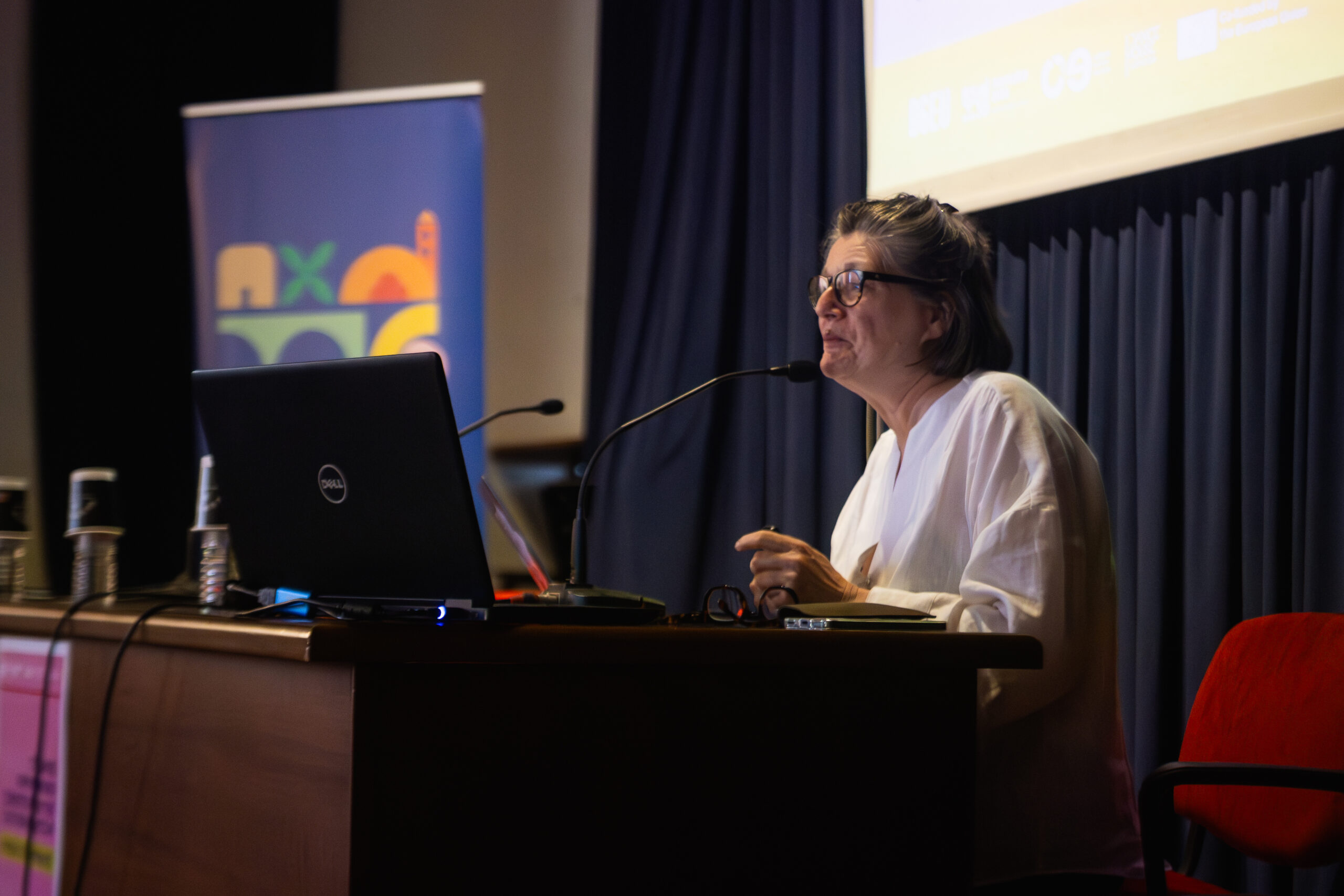
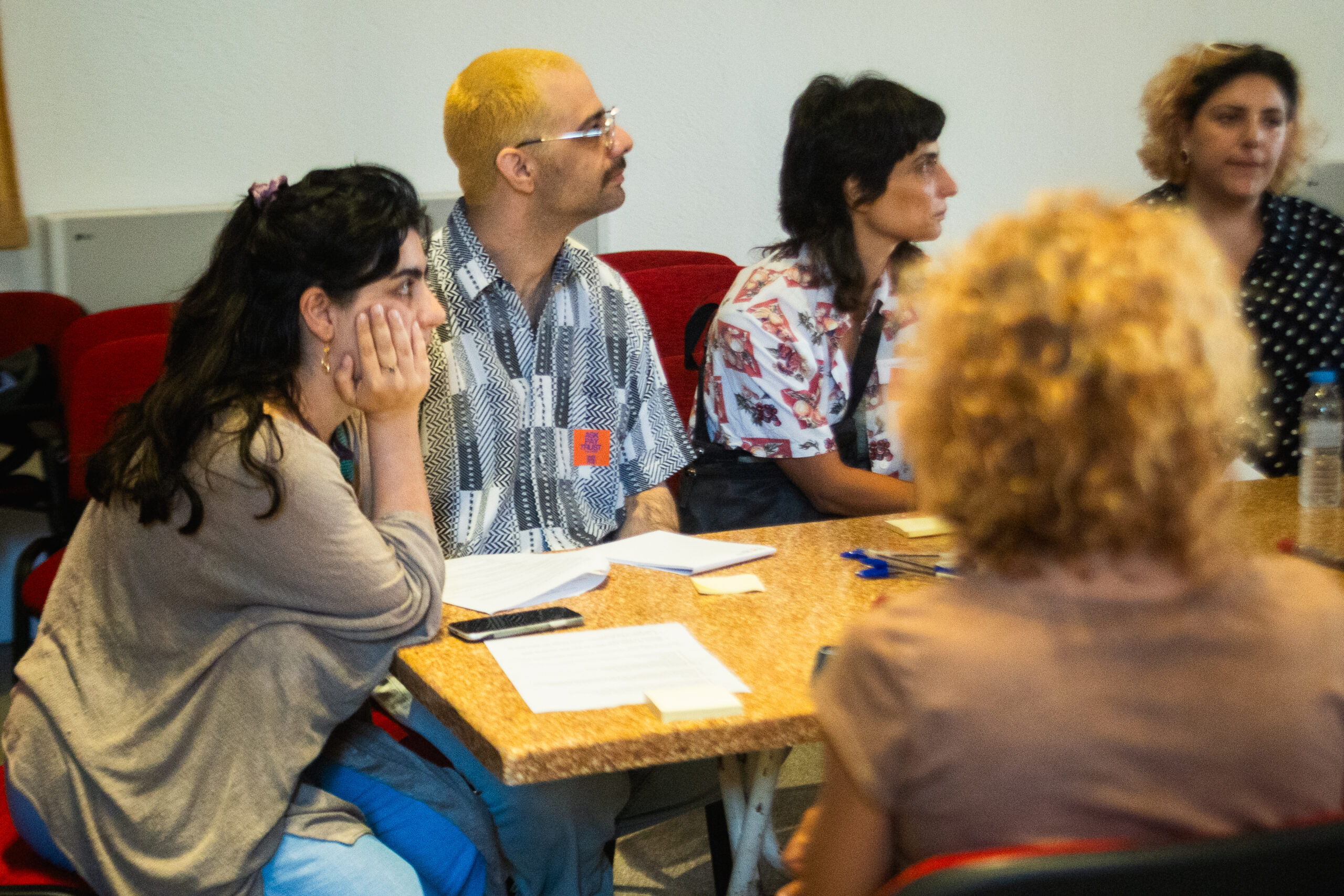
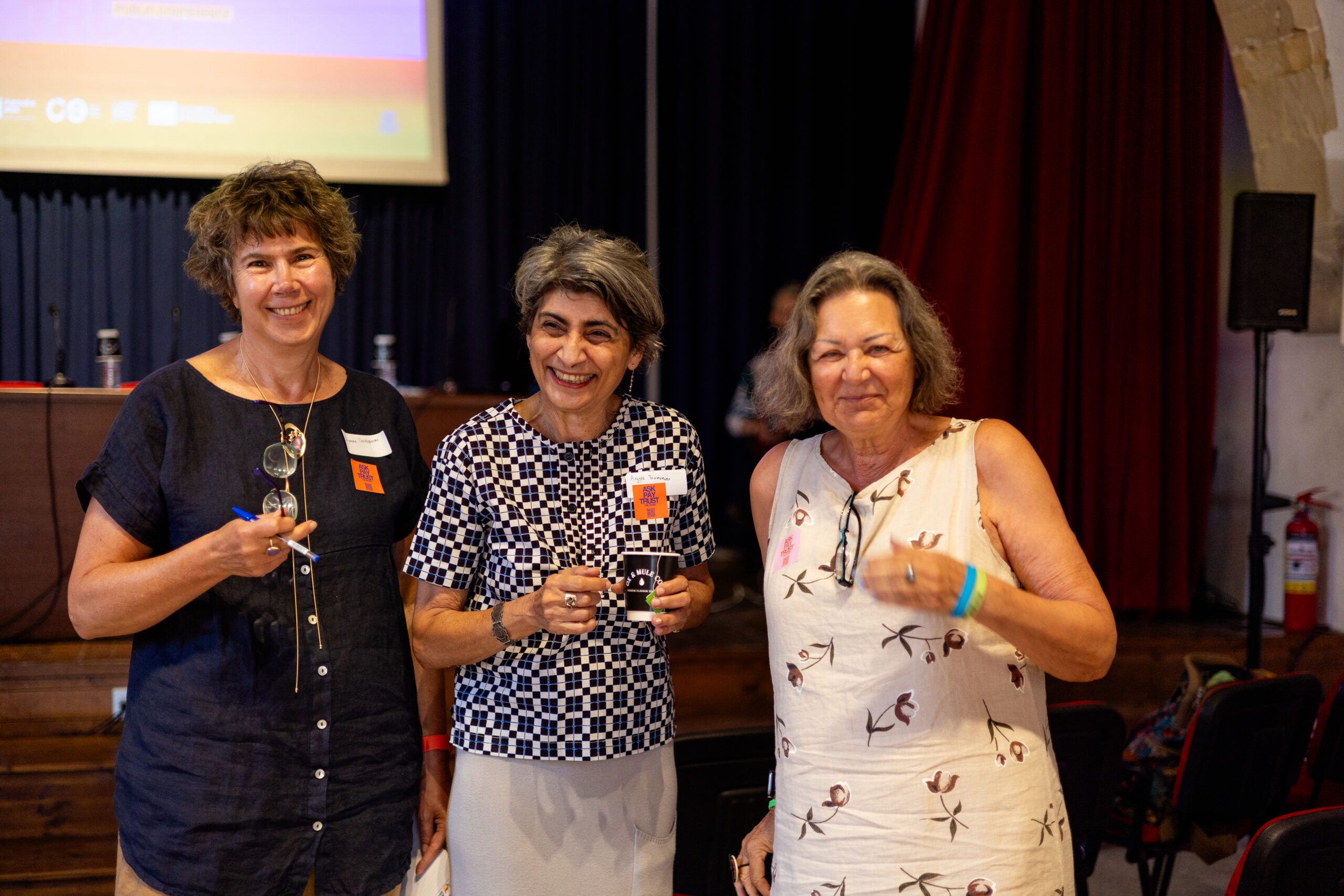
What does it mean to work in the cultural sector and to be compensated fairly for your labor? This central question guided ASK PAY TRUST – Towards Fair Working Conditions in the Cultural Sector, a public conference organised by us at D6:EU in close collaboration with Larnaka 2030 and Dance House Nicosia at Allilodidaskaleio of Agios Lazaros in Larnaca.
As an organisation dedicated to creating spaces where cultures meet, exchange, and unpack complex realities, we recognise that the structural fragility underlying artistic work is one of the most urgent issues of our time. It is no longer enough to celebrate cultural output; we must robustly construct the infrastructures and policies that protect the people who generate it.
Beyond Advocacy: Positioning D6:EU as a policy architect
At D6:EU, our long-term strategic vision is evolving. While we remain firmly rooted in supporting artistic practice, we are intentionally expanding our scope to act as policymakers and systemic facilitators. Cultural advocacy is vital, but sustainable change requires institutional mechanics. By fostering strategic co-operations with trans-European networks like Culture Action Europe, we are building a structural conduit between local Mediterranean realities and pan-European legislative frameworks. Our goal is to co-author the frameworks that move cultural labor from a state of permanent precarity to one of legal stability and socio-economic dignity.
Key insights from the conference: A systemic diagnosis
The day’s proceedings established an unmistakable truth: the precariousness of cultural workers is a structural, political issue, rather than an individual burden. The conversations underlined several key interventions across local and international contexts.
Lars Ebert started the conversation with his presentation “Setting the Scene”, where he presented the Culture Compass for Europe (2028-2034) on behalf of Culture Action Europe. The data from the Creative Pulse (2024) survey remains a stark wake-up call, revealing that over 84% of surveyed cultural professionals are not paid fairly, while nearly half face poor working conditions.
Our co-director, Argyro Toumazou, highlighted how Cyprus’s small scale, structural division, and fragmented cultural landscape exacerbate these issues. Following her introduction and observations, λawyer Alexandros Efstathiou mapped the legal landscape, reviewing the lessons learned from the recent “Registry of Artists” bill, which underscored the critical need for legislation to be co-designed with the community it affects.
Contributions from Yiannis Colakides (NeMe) pushed for horizontal self-organiσation and a strategy of collective pressure. He brought forward David Graeber’s perspective that the world is something we collectively construct and therefore, we hold the power to construct it differently.
Following our local guest speakers, we wanted to give our audience the opportunity to familiarise themselves with case studies from abroad. We examined functional legal frameworks from across Europe, showing that progressive policy is entirely achievable. Spain’s 57-measure inter-ministerial “Status of the Artist” roadmap, shared by Rocio Nogales-Muriel, Belgium’s Fair Practice public grant prerequisites and individual portfolio registries, shared by Katrien Reist-van Gelder, and Ireland’s basic minimum income pilot program for artists presented by Noel Kelly, serves as structural blueprints we can adapt locally.
The urgency of structural policy & collective action
Individual resilience cannot fix broken systems. True equity requires robust, structured policies. When cultural organisations face existential precarity, such as the Limassol Dance House navigating a lack of permanent infrastructure amid volatile real estate pressures, as highlighted by Marina Kakoulli, it becomes clear that ad-hoc funding is insufficient. We need long-term, structural investment and legislative safeguards.
For policy to work, it must be rooted in trust, mutual accountability, and solidarity. The question “Has the artist been paid?” must become an mandatory compliance standard across all public and private cultural funding structures, not an afterthought.
What comes next?
The ASK PAY TRUST (the artist) conference was not an isolated event; it marks the foundation of an ongoing legislative push. To ensure the knowledge generated translates directly into action, cultural policy rapporteur Vangelis Gettos is currently compiling a comprehensive, data-driven report mapping the exact findings and policy recommendations derived from our focus groups.
We extend our gratitude to everyone who participated, challenged the current standards and shared their experience and expertise. We look forward to advancing these policy proposals alongside our community, ensuring that cultural labor is legally protected, structurally funded, and treated with the societal dignity it commands.
Stay tuned for the publication of our policy report. For inquiries or to join our policy working groups, contact us at info@d6.eu.
filter +
Sort by +
No posts were found for provided query parameters.